
People now spend much of their lives online in the modern world. Communicating, shopping, banking, working, and sharing information are all done via interconnected devices and databases, making online security a critical aspect of all digital infrastructure. Every day, people entrust personal information to digital services and conduct activities that depend on staying safe online. Protecting your data, privacy, and reputation in this environment has become an essential skill for everyone, not just a concern for technology experts.
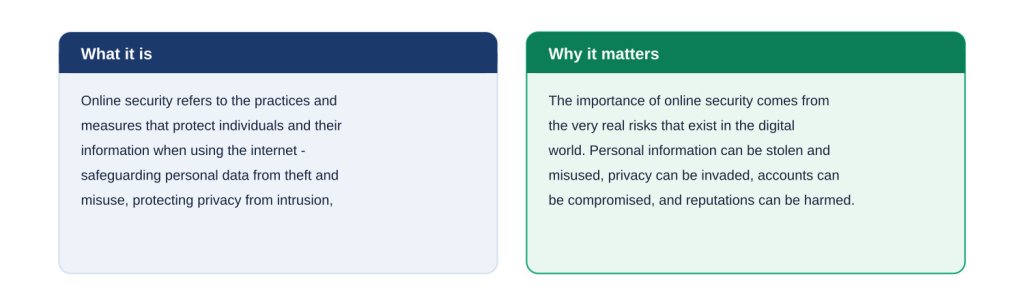
The importance of online security comes from the very real risks that exist in the digital world. Personal information can be stolen and misused, privacy can be invaded, accounts can be compromised, and reputations can be harmed. As life moves online, the potential consequences of poor online security grow, making it vital to understand the risks and how to protect against them.
This guide explains why online security matters, the risks you face, and how to protect your personal data, safeguard your privacy, and protect your online reputation. It covers practical measures such as strong passwords, recognising scams, and safe online habits, with the goal of helping you stay safe and in control in the digital world.
What Online Security means
Online security refers to the practices and measures that protect individuals and their information when using the internet — safeguarding personal data from theft and misuse, protecting privacy from intrusion, securing accounts and devices, and preserving online reputation — enabling people to use digital services safely and with confidence.
Online Security — quick facts
|
Topic |
Online Security |
|
Last updated |
6 May 2026 |
|
Best for |
Business leaders, product owners & digital strategists |
|
Covered here |
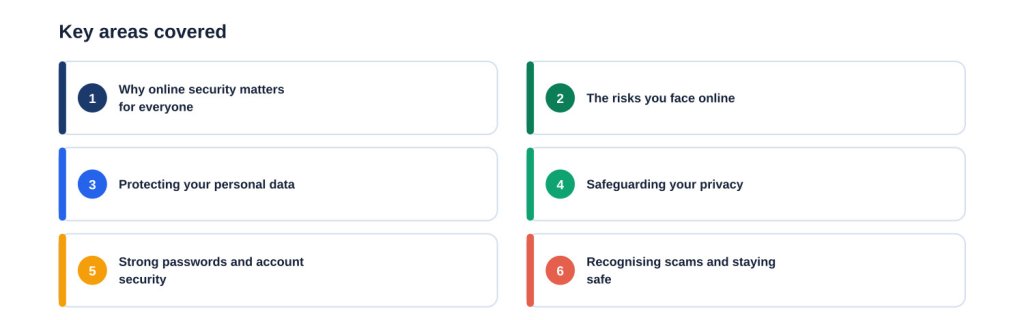
Why online security matters for everyone; The risks you face online; Protecting your personal data; Safeguarding your privacy; Strong passwords and account security; Recognising scams and staying safe |
Online Security: what it is, and why it matters for your organisation.
“If you are evaluating Online Security, focus on the core concepts, real-world use cases, and trade-offs first — so any decisions, investments, or implementations are aligned to real outcomes.”
Why Online Security Matters for Everyone
Online security is an omnipresent factor because almost everyone now uses the internet for important parts of their lives. From banking and shopping to communication, work, and entertainment, people rely on digital services that involve their personal information and activities. This widespread reliance means that everyone has data and accounts worth protecting and is exposed to online risks.
The importance of online security has grown as our digital lives have expanded. The more activities we do online and the more information we share, the greater the potential consequences. It is a universal concern relevant to anyone who uses the internet.
Crucially, online security is something individuals can take meaningful control of. By understanding the risks and adopting good practices, people can significantly reduce their exposure and protect themselves. This makes knowledge of online security not just important but empowering — having a set of skills and habits that allow people to use the digital world safely and confidently rather than being at the mercy of online threats is indeed a must.
The Risks You Face Online
The digital world brings genuine risks that make online security important. Personal information can be stolen through various means and used for fraud, identity theft, or other harm. Accounts can be compromised, giving attackers access to your communications, finances, or services. These threats can have serious consequences for your security, finances, and peace of mind.
Privacy is another major area of risk. Online activities generate information about people that can be collected, tracked, and used in ways they may not be aware of or comfortable with. Without attention to privacy, individuals can lose control over their personal information and how it is used, exposing them to intrusion and potential misuse.
Reputation is also at risk online. Information shared or posted online can spread widely and persist, and it can affect how people are perceived by others, including employers and contacts. Harmful content, whether shared by others or arising from compromised accounts, can damage an individual’s reputation. Understanding these risks to data, privacy, and reputation is the foundation for protecting against them.
Protecting Your Personal Data
Protecting your personal data is a central part of online security. Personal data such as contact details, financial information, and identity information is valuable and can be misused if it falls into the wrong hands. Being careful about what information you share, with whom, and on what services reduces your exposure and keep your data safe.
A key practice is to share personal information only when necessary and only with service providers you trust. Many online services collect more information than they strictly need, and the more places your data is held, the greater the risk of it being exposed. Being mindful about what you provide, and to whom, reduces the chances of your data being compromised or misused.
Protecting your data also involves securing accounts and devices through which it is accessed. It also includes staying alert to attempts to trick you into revealing information. By combining careful sharing with good account and device security, individuals can significantly protect their personal data online. This protection is essential to fraud prevention, identity theft, and other harms that can result from data falling into the wrong hands.

Safeguarding Your Privacy
Safeguarding your privacy is an important aspect of online security that goes beyond protecting against theft. Online privacy concerns how information about you is collected, tracked, and used as you use digital services. Taking steps to protect your privacy helps you maintain control over your personal information and how it is shared and used.
Practical privacy protection includes awareness and management of privacy settings on the services and platforms you use. Many services offer controls over what information is shared and who can see it, and taking the time to review and adjust these settings can significantly enhance your privacy. Being thoughtful about what you share publicly is also an important part of protecting your privacy.
Privacy also involves being aware of how your online activities can be tracked and taking steps to limit unwanted tracking where you can. While complete privacy online is difficult, being informed and taking sensible measures gives individuals greater control over their personal information. Safeguarding privacy in these ways is an essential part of online security, helping people protect not just their data but their autonomy and peace of mind.
Protecting Your Online Reputation
Protecting your online reputation is an increasingly important part of online security. The information associated with you online — what you post, what others share about you, and how you present yourself — can influence how you are perceived by others, including potential employers, contacts, and the wider public. Managing this carefully helps protect your reputation.
A key practice is being thoughtful about what you share online, recognising that information posted can spread widely and persist over time. One should consider how content might be perceived, as well as being cautious about sharing things that could be harmful or embarrassing, helps protect your reputation. It is also wise to be aware of what information about you exists online and to manage it where possible.
Protecting your reputation also involves securing your accounts so that they cannot be used by others to post harmful content in your name. A compromised account can be used to damage your reputation, making account security an important part of reputation protection. By being thoughtful about what you share and keeping your accounts secure, individuals can protect their online reputation, which has become an important asset in a connected world.
Strong Passwords and Account Security
Strong passwords and good account security are among the most important measures for protecting yourself online. Passwords are often the first line of defence for your accounts, and weak or reused passwords are a common way for accounts to be compromised. Using strong, unique passwords for your important accounts significantly improves your security.
Because remembering many strong, unique passwords is difficult, tools such as password managers can help by securely storing and managing passwords. These tools make it practical to use strong, unique passwords everywhere without having to remember them all, addressing one of the main barriers to good password security. This makes maintaining strong passwords across many accounts far more manageable.
An additional and highly effective measure is enabling extra verification beyond a password, often called multi-factor authentication, where available. This requires a second form of verification to access an account, making it much harder for attackers to gain access even if they obtain a password. Combining strong, unique passwords with additional verification provides robust account security and is one of the most valuable things individuals can do to protect themselves online.
Recognising and Avoiding Scams
Recognising and avoiding scams is a crucial online security skill, because many attacks rely on tricking people rather than breaking through technical defences. Phishing and other social-engineering scams attempt to deceive people into revealing information, clicking malicious links, or taking harmful actions, often by pretending to be a trusted person or organisation.
Protecting yourself involves being cautious and sceptical, especially with unexpected messages that ask for information, pursue urgent action, or contain links or attachments. Scammers often create a sense of urgency or use convincing impersonation to pressure people into acting without thinking. Pausing to consider whether a message is genuine and verifying through trusted channels helps avoid falling for scams.
As scams become more sophisticated, including the use of AI to make them more convincing — vigilance is more important than ever. Being aware of common scam tactics, treating unexpected requests with caution, and not rushing into action help protect against deception. This awareness is one of the most important elements of online security, since human vigilance is often the best defence against attacks that target people directly.
Safe Browsing and Device Security
Safe browsing habits and securing your devices are important foundations of online security. The devices you use to go online hold and access your information, so keeping them secure is essential. This includes keeping software up to date, as updates often fix security vulnerabilities, and using protective measures against malware.
Safe browsing involves being careful about the websites you visit, the links you click, and the things you download. Malicious websites and downloads can compromise your device or information, so caution online is important. Using secure, trusted services and being wary of suspicious sites and content help protect you as you use the internet.
Securing the networks you use also matters, particularly when using public or unfamiliar networks where your activity could be exposed. Being mindful about what you do on untrusted networks and taking sensible precautions helps protect your information. Together, safe browsing, device security, and network awareness form an important part of online security, protecting the means through which you access the digital world.
Online Security and Your Digital Life
Online security is woven through every part of your digital life, from social media and email to shopping, banking, and work. Each of these activities involves information and accounts that need protection. The same principles apply across them: protect your data, safeguard your privacy, secure your accounts, and stay alert to threats. Applying these consistently keeps you safer across all your online activities.
Different activities may need particular attention. Financial activities such as banking and shopping warrant extra care given the sensitivity of the information involved, while social media requires attention to privacy and reputation. Being aware of the specific considerations for different activities helps you protect yourself appropriately across your digital life.
Maintaining good online security across all these areas is increasingly important in an increasingly digital world. By applying good practices consistently and being mindful of the risks in each activity, individuals can protect themselves comprehensively. This holistic approach to online security ensures that the many aspects of your digital life are protected, allowing you to use the digital world safely and with confidence.
Building Good Online Security Habits
Ultimately, online security comes down to building and maintaining good habits. Using strong passwords and extra verification, being careful about what you share, staying alert to scams, keeping devices updated, and managing your privacy are most effective when they become routine parts of how you use the internet. Good habits provide ongoing protection.
Building these habits is easier when approached step by step rather than all at once. Starting with the most impactful measures, such as securing your important accounts with strong passwords and additional verification, and gradually adopting other good practices, makes improving your online security manageable. Over time, these habits become second nature and provide lasting protection.
Staying informed is also part of good online security, as threats and best practices evolve. Being aware of new risks and updating your habits accordingly helps you stay protected over time. Individuals should take real control of their online security to protect their data, privacy, and reputation and enjoy the benefits of the digital world with safety and confidence.
Online Security for Families and Vulnerable Users
Online security is particularly important when it comes to protecting families and more vulnerable users, such as children and older people, who may be especially at risk online. Children may not fully understand online risks, while older people may be targeted by scams designed to exploit them. Helping these users stay safe is an important part of online security.
Protecting families involves both education and sensible measures. Helping children understand online risks, encouraging good habits, and using appropriate protections can help keep them safe, while supporting older relatives in recognising scams and securing their accounts protects them from exploitation. Awareness and open conversation about online safety are valuable in helping vulnerable users protect themselves.
The broader point is that online security is a shared responsibility that extends to those we care about. By helping family members and vulnerable users understand the risks and adopt good practices, individuals can extend the benefits of online security beyond themselves. This caring, inclusive approach to online safety helps ensure that everyone, including those most at risk, can use the digital world more safely.
Key takeaways
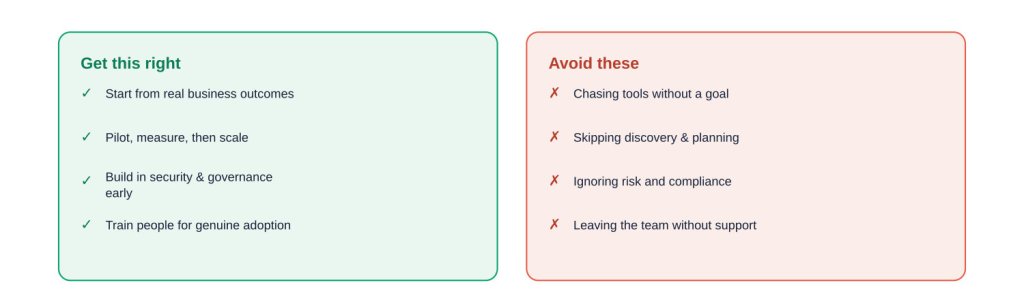
- Online Security is best approached around clear business outcomes, not tools or hype.
- Why online security matters for everyone.
- The risks you face online.
- Protecting your personal data.
- Safeguarding your privacy.
- Pilot, measure, and then scale — with security, governance, and adoption built in.
- user.com.sg can help you plan, implement, and optimise Online Security for your context.
Conclusion
Online security has become essential for everyone as more of our lives move into the digital world. With personal information, accounts, privacy, and reputation all at stake, protecting yourself online is no longer optional but a necessary skill. The risks are real: data theft, privacy intrusion, account compromise, and reputational harm.But these can be significantly reduced through awareness and good practices. Understanding why online security matters is the first step towards protecting yourself.
The good news is that effective online security is within everyone’s reach. By protecting your personal data, safeguarding your privacy, using strong passwords and additional verification, staying alert to scams, securing your devices, and managing your online reputation, you can take real control of your safety in the digital world. Building these into everyday habits and staying informed as threats evolve provides lasting protection.
With the right knowledge and practices, you can enjoy the many benefits of being online while keeping your data, privacy, and reputation secure.
Frequently Asked Questions
Online security is important because so much of life now happens online, involving personal information, accounts, privacy, and reputation. The risks — data theft, privacy intrusion, account compromise, and reputational harm — are real, but good practices can significantly reduce them, making online security essential for everyone.
The main risks include theft and misuse of personal information, account compromise, privacy intrusion through tracking and data collection, scams and phishing that trick people, and harm to online reputation. Understanding these risks is the foundation for protecting against them.
Protect your personal data by sharing it only when necessary and with services you trust, being mindful of what information you provide, securing your accounts and devices, and staying alert to attempts to trick you into revealing information. Limiting where your data is held reduces your exposure.
Protect your privacy by managing the privacy settings on the services you use, being thoughtful about what you share publicly, and being aware of how your activities can be tracked. While complete privacy is difficult, these steps give you greater control over your personal information.
Passwords are often the first line of defence for your accounts, and weak or reused passwords are a common way for accounts to be compromised. Using strong, unique passwords — helped by a password manager — and enabling additional verification greatly improves your account security.
Avoid scams by being cautious and sceptical of unexpected messages that ask for information, urge urgent action, or contain links or attachments. Scammers create urgency and impersonate trusted sources, so pausing to verify through trusted channels before acting helps you avoid being deceived.
Protect your online reputation by being thoughtful about what you share, recognising that posts can spread and persist, being aware of what information about you exists online, and securing your accounts so they cannot be used to post harmful content in your name.
Build good habits by starting with the most impactful measures, such as securing important accounts with strong passwords and extra verification, then gradually adopting other practices like careful sharing, scam awareness, and keeping devices updated. Staying informed as threats evolve keeps you protected over time.

