
Medical product testing is a critical step in ensuring that healthcare products are safe, usable, and ready for real-world deployment. In Singapore’s highly regulated and risk-aware healthcare environment, medical product testing goes beyond technical verification. It plays a central role in assessing how products perform when used by real people, in real settings, under real constraints.
Rather than treating testing as a final hurdle before launch, forward-looking organisations approach medical product testing as a market readiness process—one that reduces uncertainty, strengthens regulatory confidence, and supports successful adoption.
The products referred to in this article are medical devices and digital implements such as apps and platforms.
What Is Medical Product Testing?
Medical product testing refers to a structured set of evaluations designed to assess how a medical product performs across its lifecycle, from early development through validation and readiness for market use.
Unlike component or bench testing alone, medical product testing focuses on:
- How the product is actually used
- Who uses it and in what environment
- Whether critical tasks can be completed safely and effectively
- How risks emerge through real-world interaction
Medical product testing is not limited to checking whether a product functions as intended. It examines whether the product can be used correctly, consistently, and safely by its intended users, without introducing unintended harm or failure.
Why Medical Product Testing Is Critical Before Market Entry
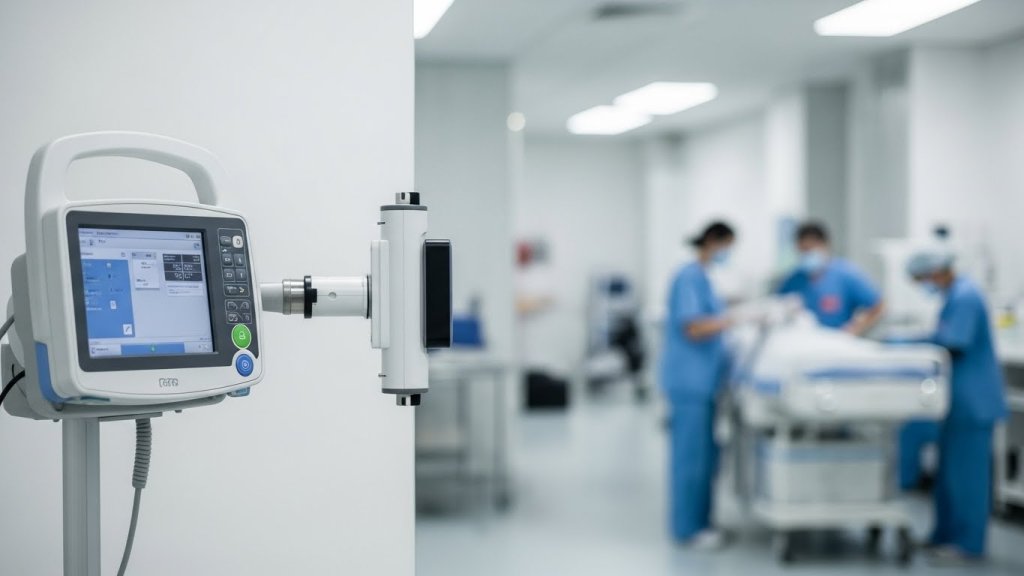
Healthcare products operate in high-risk contexts. Even small usability or workflow issues can lead to errors, delays, or unsafe outcomes. Medical product testing helps organisations identify and mitigate these risks before a product reaches patients or clinicians.
Without adequate medical product testing, organisations face:
- Increased patient safety risk
- Regulatory delays or additional scrutiny
- Costly redesigns late in development
- Poor adoption due to usability issues
- Reputational and commercial damage
Early and well-designed medical product testing reduces these risks by exposing weaknesses while changes are still feasible. It allows teams to move into regulatory review and market launch with confidence that the product has been evaluated beyond theoretical use.
Types of Medical Product Testing
Medical product testing is not a single activity. It is an ecosystem of complementary testing approaches that together build a picture of real-world readiness.
Common types of medical product testing include:
- Usability and human-factors testing, focused on user interaction and error prevention
- Formative evaluations, conducted early to identify and reduce risk
- Summative evaluations, conducted later to validate final usability
- Workflow and use-scenario testing, examining how products fit into real environments
- Labeling, IFU (Instructions for Use), and training validation, ensuring information supports safe use
- Simulated or real-world use testing, reflecting actual conditions
When approached holistically, these activities work together to strengthen both safety and adoption outcomes.
Where Medical Product Testing Fits in the Product Lifecycle
Medical product testing should be viewed as a continuous process rather than a one-time event.
Across the lifecycle, testing typically supports:
- Early concept exploration and feasibility assessment
- Iterative design refinement during development
- Validation prior to regulatory submission
- Re-evaluation following design changes
- Ongoing risk management post-launch
This lifecycle approach ensures that risks are identified early, addressed systematically, and validated appropriately. Medical product testing becomes a thread that connects design intent to real-world performance.
Medical Product Testing in Singapore’s Regulatory Landscape
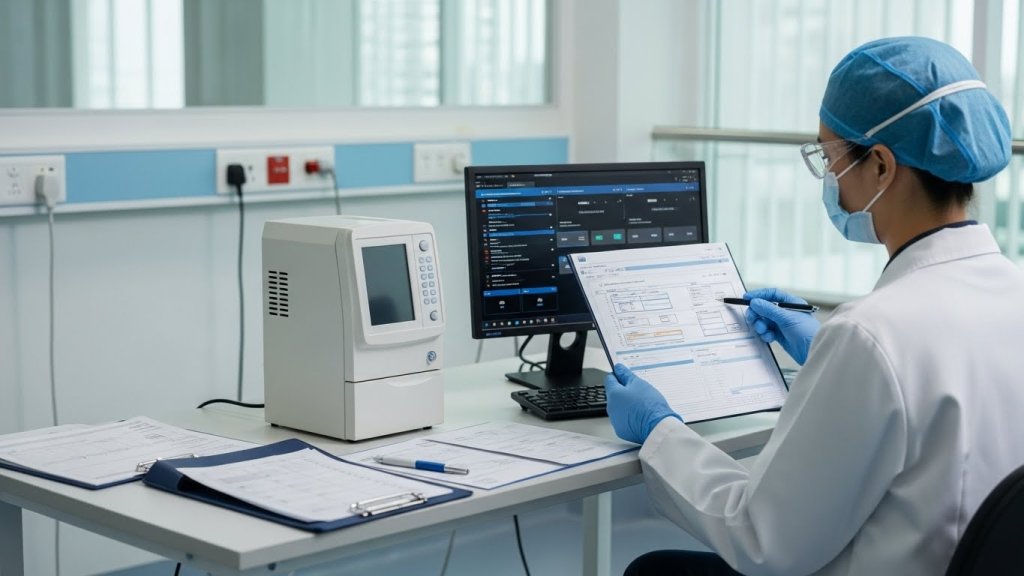
Medical product testing that Singapore organisations conduct is shaped by high regulatory expectations and strong alignment with international standards. Singapore is widely recognised as a mature healthcare market where documentation quality, methodological rigour, and defensible evidence matter.
In this context:
- Testing must reflect real users and real environments
- Assumptions must be supported by observable evidence
- Risk identification and mitigation must be traceable
Medical product testing in Singapore isn’t reviewed on its own. It must meet the rules set out under the Health Products Act (HPA) and medical device regulations, which ensure products are safe and used correctly before they reach the market. Regulators also look at whether testing reflects real‑world use in Singapore’s healthcare settings and aligns with international standards (ASEAN AMDD, IMDRF, ISO 13485, and GDPMDS). Starting 1 January 2025, manufacturers must meet enhanced ISO 13485 certification requirements through approved local or MDSAP‑recognised bodies.
Local execution also provides practical benefits, including access to representative user groups, realistic healthcare settings, and culturally relevant workflows.
How Medical Product Testing Is Conducted
Effective medical product testing follows a structured, neutral, and repeatable process designed to support decision-making.
A typical approach includes:
- Identifying intended users and use environments
- Defining critical tasks and potential risk areas
- Selecting appropriate testing methods based on product maturity
- Conducting moderated testing and structured observation
- Documenting findings with clear rationale and traceability
Throughout the process, emphasis is placed on objectivity, bias control, and clarity. The goal is not to generate opinions, but to produce decision-ready evidence that informs development, validation, and launch planning.
Common Gaps in Medical Product Testing
Many product issues do not arise because testing was skipped entirely, but because testing was incomplete or poorly scoped.
Common gaps include:
- Over-reliance on internal reviews instead of real users
- Testing that ignores real-world constraints and variability
- Inadequate representation of user groups
- Fragmented testing with no lifecycle perspective
- Weak documentation that fails to support decisions
These gaps introduce avoidable risk. Comprehensive medical product testing addresses them by aligning testing activities to real use, real risk, and real decision points.
Medical Product Testing as a Foundation for Approval and Adoption
Medical product testing supports more than regulatory submission. It lays the groundwork for safe use, effective training, and long-term adoption.
When testing is comprehensive and well-integrated:
- Regulatory review is smoother and more predictable
- Post-market issues are reduced
- Users gain confidence more quickly
- Products integrate better into real workflows
Medical product testing becomes a form of long-term risk control, supporting both compliance and commercial success.
Why Specialist-Led Medical Product Testing Matters
Medical product testing requires more than general research capability. It demands experience with regulated, safety-critical contexts and the ability to integrate multiple testing perspectives into a coherent assessment. Because of the sensitivity of creating medical products, whether it’s devices or apps, testing them is usually done by research experts such as User Experience Researchers. These companies are experienced in various kinds of testing methods and have facilities to carry out their tests.
USER supports organisations by delivering specialist-led medical product testing that focuses on real-world readiness rather than isolated test results.
This includes:
- Experience with complex and regulated healthcare products
- Strong discipline in participant recruitment and relevance
- Integration of usability, workflow, and risk considerations
- Familiarity with Singapore and regional expectations
- Focus on evidence that supports confident decisions
The emphasis is on rigour, clarity, and relevance—not volume of testing.
Speak With a Specialist About Medical Product Testing in Singapore
If you are developing, refining, or preparing to launch a healthcare product, medical product testing supported by UX consulting can help you reduce uncertainty and strengthen readiness across the product lifecycle.
Speak with a specialist to explore how medical product testing for Singapore organisations rely on UX consulting expertise. Companies such as USER can help you assess real-world safety and usability through user-centred evaluation, reduce regulatory and commercial risk with defensible evidence, strengthen confidence before approval and market launch, ensure testing reflects real users’ environments and workflows, and translate testing insights into actionable design and UX decisions.
Medical product testing is not just about passing checks. It is about preparing products for safe, effective use in the real world.

